
Solventless Rosin Pre-Rolls: Heat, Pressure, and What It Means
What actually separates a solventless rosin pre-roll from a solvent-extracted one — and why the difference shows up in flavor, burn, and price.
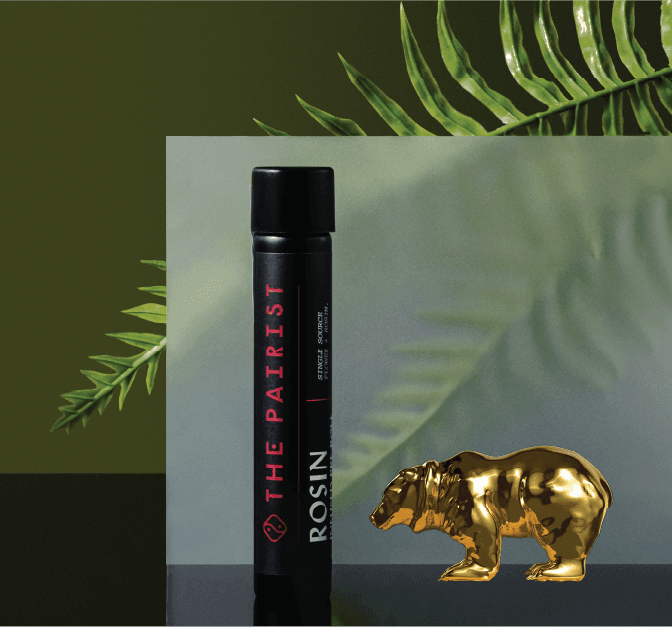
A solventless rosin pre-roll is made by pressing cannabis flower with heat and pressure to release its oils, then coating or infusing that oil onto ground flower and rolling it into a joint — no chemical solvents involved at any point. That's the core distinction between solventless and solvent-based extraction, and it shapes everything from flavor to how the pre-roll burns.
What "Solventless" Actually Means
Solvent-based extraction uses chemicals like butane, propane, CO2, or ethanol to strip cannabinoids and terpenes off plant material. Those solvents are effective at pulling a lot of material quickly, and when done right by a licensed manufacturer, the finished product is tested and purged to meet California's residual solvent limits. But the process itself relies on chemistry.
Solventless extraction skips that step entirely. Instead of a solvent, you use heat and pressure extraction — literally squeezing flower (or sometimes sieved trichome material) between heated plates until the oil separates out. What comes out the other side is often called rosin, and it's valued for preserving a lot of the plant's original terpene profile since it never touches a chemical bath. The tradeoff is yield: pressing takes more starting material to get the same amount of oil compared to solvent methods, which is part of why rosin products tend to cost more.
Why It Matters for Pre-Rolls Specifically
A rosin pre-roll isn't just a regular joint with oil drizzled on top — the way that oil is applied and how much heat it's already been through changes the smoking experience. Because rosin is pressed at relatively low, controlled temperatures, a lot of the terpenes that give a strain its specific smell and flavor survive the process. When that oil goes onto a pre-roll, you're smoking something closer to a concentrated version of the flower it came from, rather than a distillate that's been stripped down and sometimes re-flavored.
Burn quality is another factor. Rosin's consistency — sticky, viscous, sometimes described as sappy — means it needs to be worked into the flower evenly for a pre-roll to burn without harshness or uneven cherry. Manufacturers who do this well usually infuse the oil into the flower itself and finish with a rosin coating or kief layer, rather than just painting oil on the paper.
Full-Melt vs. Standard: What the Terms Mean
You'll sometimes see rosin marketed as full-melt hash rosin, which refers to material pressed from bubble-grade starting material — flower that's been processed to a high level of trichome purity before pressing. Full-melt hash rosin generally melts more completely and cleanly when heated, leaving less plant residue behind, which is part of why it commands a premium price. Standard rosin, pressed straight from cured flower, is still solventless and still terpene-rich, just made from less refined starting material and typically priced more accessibly.
Neither term is a legal or regulatory standard in California — they're industry shorthand describing extraction quality, not a certification. So when you see "full-melt" on a label, it's worth treating it as a claim about process rather than a guarantee, and asking your budtender what starting material a specific batch came from.
What to Look for When You're Shopping
A few practical things to check on a rosin pre-roll's label or with your budtender: whether the oil is infused into the flower or just applied to the outside, what strain or starting material the rosin was pressed from, and whether the product has been through California's required testing for potency and contaminants. Freshness matters too — rosin's terpenes are volatile, so a pre-roll that's been sitting on a shelf for months won't hit the same as one from a recent batch. Companies like The Pairist that manufacture their own rosin batches for pre-rolls tend to be transparent about strain sourcing, since that's a big part of what you're actually paying for.
FAQ
What's the difference between solventless and solvent-based extraction?
Solventless extraction uses only heat and pressure to separate oil from cannabis flower, while solvent-based extraction uses chemicals like butane, CO2, or ethanol to pull cannabinoids and terpenes from the plant. Both methods are legal in California when performed by licensed manufacturers and tested for residual contaminants, but they produce different textures and flavor profiles.
Is full-melt hash rosin better than regular rosin?
Full-melt hash rosin is pressed from more refined starting material and tends to melt more cleanly with less residue, which is why it's often priced higher, but "better" depends on personal preference for flavor and texture. Both are solventless products; the difference comes down to the quality of the material pressed, not the extraction method itself.
Why are rosin pre-rolls more expensive than regular pre-rolls?
Rosin pre-rolls cost more mainly because pressing rosin requires significantly more starting flower to yield the same amount of oil compared to solvent-based extraction methods. That lower yield, combined with the labor of infusing oil evenly into flower, drives up the price per unit.
Does solventless mean there are no chemicals in the product at all?
Solventless means no chemical solvents were used during extraction, but the flower itself was still grown, cured, and packaged under standard cannabis production practices. All licensed California cannabis products, solventless or not, undergo required testing for pesticides and contaminants before reaching dispensary shelves.