Emerald Triangle Cannabis Farms: Inside Our Farm Partners
A look at the small Northern California farms behind our flower — what makes Emerald Triangle cultivation distinct and why single-source sourcing matters.
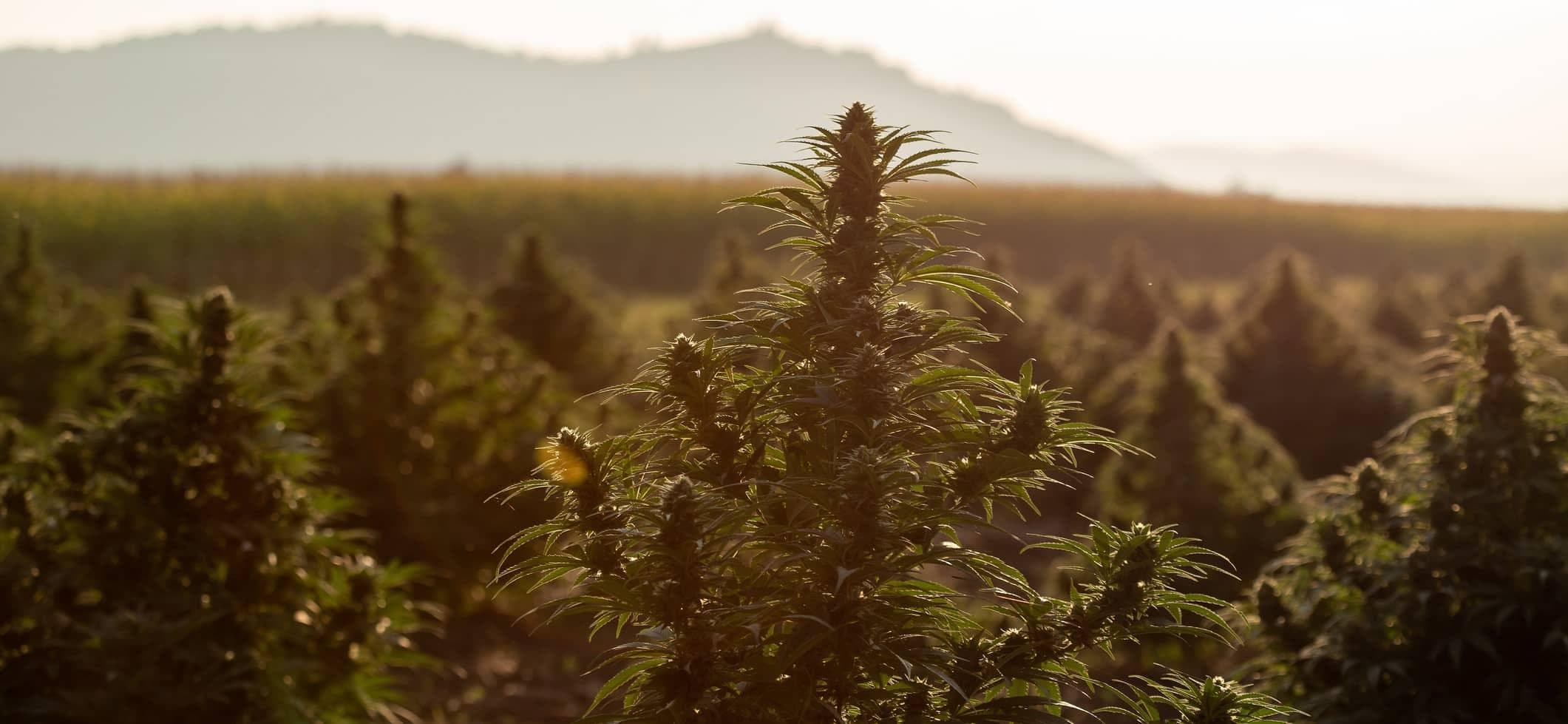
Emerald Triangle cannabis farms are small, family-run cultivation operations across Humboldt, Mendocino, and Trinity counties whose terrain, fog patterns, and generations of growing knowledge produce flower with distinct, farm-specific character. That's the short version. The longer version is why it matters for anyone buying flower off a dispensary shelf, and why sourcing from named farms instead of anonymous bulk biomass changes what ends up in the jar.
What Makes the Emerald Triangle Different
Humboldt, Mendocino, and Trinity counties earned the nickname Emerald Triangle for decades of cannabis cultivation that predates legal markets by a long stretch. The region's coastal fog, elevation changes, and mineral-rich soils create microclimates that shift meaningfully from one ridge to the next, which is part of why two farms ten miles apart can grow the same cultivar and end up with noticeably different flower. Many of these operations are still sun-grown or use light-assist greenhouses rather than fully indoor warehouse setups, leaning on the region's natural growing season instead of replicating it artificially.
What separates a craft cultivator here from a large-scale commercial grow usually comes down to scale and attention. Craft farms tend to run smaller plant counts, hand-trim rather than machine-trim, and manage curing on a batch-by-batch basis instead of blending everything into one undifferentiated stream. That's slower and more expensive, but it's also how you get flower with an actual identity.
Why Single-Source Flower Matters
Single-source cannabis flower means every jar, pre-roll, or extract input from a given batch traces back to one specific farm and harvest, rather than a blend of biomass pulled from wherever was cheapest that month. This matters for a few practical reasons. First, consistency: if a batch from a particular farm tests well and cures out with a flavor and effect profile people like, that's information you can actually use next time you shop, because the farm name stays attached to the product. Second, accountability: when something is a blend, there's no single grower to point to if quality slips or if a batch is exceptional. Single-source flower keeps that thread intact from field to shelf.
It also means the farm itself has more incentive to grow well, because their name is on the label, not lost in a supply chain black box.
How The Pairist Works with Farm Partners
The Pairist sources flower directly from a rotating group of Northern California craft cultivators, working with growers whose practices and cultivar selection line up with what we want on dispensary shelves — clean cures, thoughtful genetics, and farms willing to stand behind a specific harvest rather than an anonymous pool of biomass. That direct relationship is also what feeds our extraction work: rosin, for instance, is pressed using only heat and pressure on fresh, well-cured flower, so the quality of the starting material from a given farm partner shows up directly in the finished product. There's no shortcut around a mediocre input when the process is that simple — the farm's work is the product's foundation.
Working directly with farms also lets us plan around harvest timing instead of buying whatever's available on the spot market, which matters more than people realize. A farm that's dialed in on a particular cultivar and given the right harvest window will produce meaningfully better flower than the same genetics rushed or handled generically.
What to Look for When Shopping
If you're standing in a dispensary trying to figure out whether flower is genuinely craft or just marketed that way, a few things are worth checking. Look for a named farm or region on the label rather than just a brand name — that's usually the clearest signal of single-source sourcing. Check the harvest date; craft farms curing in smaller batches tend to get product to shelves closer to harvest rather than sitting in storage for months. And ask your budtender if they know anything about the farm itself. Staff at dispensaries that carry farm-direct product usually know the story, because it's part of what makes the product worth carrying in the first place.
FAQ
What is an Emerald Triangle cannabis farm?
An Emerald Triangle cannabis farm is a cultivation operation located in Humboldt, Mendocino, or Trinity County in Northern California, a region known for decades of cannabis growing and distinct microclimates that shape flower character.
What does single-source cannabis flower mean?
Single-source cannabis flower comes entirely from one specific farm and harvest batch, rather than being blended from multiple growers, which allows for more consistent quality and a traceable farm-to-shelf story.
How is craft cultivation different from large commercial grows?
Craft cultivators typically grow smaller plant counts, hand-trim their flower, and manage curing batch by batch, while large commercial operations often prioritize volume and blend product from multiple sources.
Does farm sourcing affect rosin quality?
Yes — rosin is pressed from flower using only heat and pressure, so the quality of the starting flower directly affects the finished rosin, making the farm's cultivation and cure practices especially important.